Live Well Communities Fund
The Live Well Communities Fund puts funding decisions closer to communities across Greater Manchester. Local infrastructure organisations in each of the ten boroughs, and the Greater Manchester Equality Alliance, work with residents to decide where money goes and what difference it makes.
We’re working in partnership with NHS GM, GMCA, and the Greater Manchester Mayor’s Charity to lead this work, alongside organisations across Greater Manchester.
The Live Well Communities Fund starts with the idea that the answers to health inequalities lie with people and communities, so communities should have a real say in how money is used.
“The answers to health inequalities lie with our people and communities.”
– Zoe Porter, foreword, Year One Prototype Learning Pack
The fund uses participatory grant-making. That means residents, community groups and local partners help decide priorities, shape the criteria and choose which projects are funded, instead of leaving those decisions to funders alone.
Each borough designs its own approach. All of them work to shared principles and come together to exchange learning and stay accountable to the same goals. The fund looks at how to make funding more accessible to groups that do not usually apply for grants, and at how to support people who face barriers to taking part.
How it fits together
The Live Well Communities Fund is one strand within the broader GM Live Well Movement, which also includes Live Well Spaces of Hope and Connection, Live Well Implementation Fund, and more.

How it works
- Local infrastructure organisations lead delivery in each borough, using trusted local networks and relationships.
- GM Equality Alliance runs a Greater Manchester-wide route for communities that are geographically dispersed or share an identity or experience.
- 10GM coordinates the programme, supports delivery partners and brings partners together to share what they learn.
- NHS GM and GMCA fund the programme and use the learning to inform how community-led funding is designed and resourced.
- GM Mayors Charity is working on a long-term plan to drive continuous, sustainable investment into the fund through new philanthropic and corporate investment streams
What we’ve learned so far
Year one of the fund was a prototype. It was funded with £1 million from NHS GM and GMCA, plus £300,000 from NHS England, weighted by population and deprivation. The learning pack and snapshots set out what each borough tried. These are the main lessons.
Involvement builds trust
Funding felt fairer and clearer when residents helped set the criteria and make the decisions.
Flexibility lowers barriers
Shorter forms, conversations, video applications and practical support helped informal groups and individuals apply.
Relational work needs time and money
Co-design depends on dedicated staff and realistic timescales. Staff roles shift towards coaching and facilitation.
Power-sharing must be deliberate
Communities engage more when they can see how their input shapes decisions. Panels work best when balanced and when lived experience is included.
Short pilots limit impact
One-year cycles and late confirmation of funds restricted collaboration and made it harder to plan for the long term.
“It’s about having someone believe in your idea.“
– Participant in Bury, Year One Prototype Learning Pack
The pack also points to challenges. Participation sometimes stopped at deciding who gets funded. Some priority areas did not apply, digital exclusion persisted, and small grants were heavily oversubscribed. Learning often stayed local instead of reaching policy and commissioning.
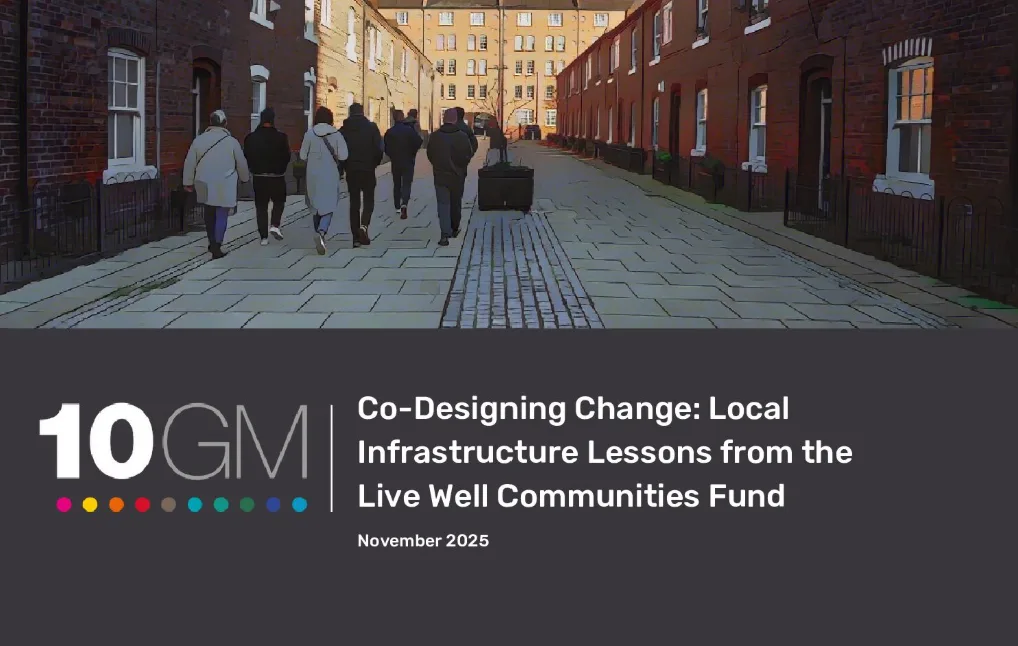
Co-designing Change: Local Infrastructure Lessons from the Live Well Communities Fund
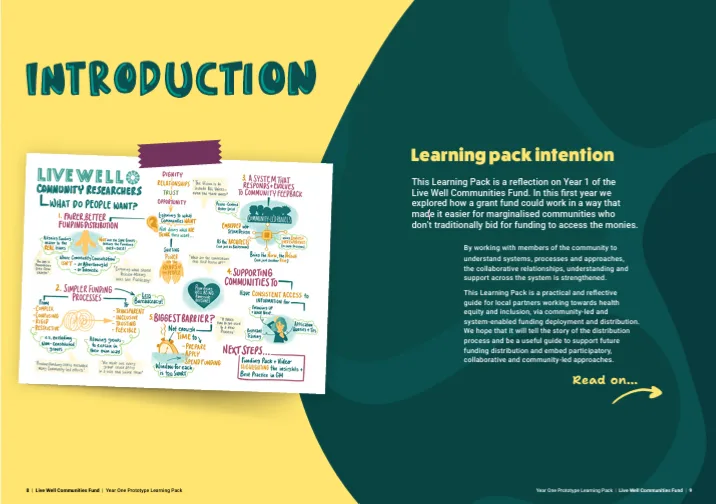
Live Well Communities Fund Year One Prototype Learning Pack
Across the ten boroughs
Each locality built on what it already had. Here is a short snapshot of the approach taken in year one.
Bolton
Bolton CVS
A 20-member Design Group of residents, VCSE and health workers allocated the first £40,000 to 47 organisations. An access budget covered interpreters, travel and childcare.
Bury
Bury VCFA
Grants of up to £5,000, with video applications and community assessors. Public sector members were capped at 50% of panels.
Manchester
Manchester Community Central
A community design panel of North Manchester residents with lived experience, focused on health and racial inequalities.
Oldham
Action Together
An 80-person design jam in East Oldham led to prototype groups and a blueprint for distributing the fund. Participants were paid for their time.
Rochdale
Action Together
A Foundation Group of community leaders shaped priorities around children and young people, with applications opening in September 2025.
Salford
Salford CVS, with CommUnity Little Hulton
A paid community panel, and more than 600 residents voted in person and online. Eligibility was widened to unconstituted groups.
Stockport
Sector 3
Tiered due diligence kept the smallest grants simple. Applications came to nearly £400,000 against the funds available.
Tameside
Action Together
A summit of around 130 people co-designed seven Community-led Wellbeing Principles. Storytelling replaced written applications.
Trafford
Thrive Trafford and The Trafford Collective
Priorities came from the Fairer Health for Trafford Partnership. A panel with lived-experience members funded eight projects.
Wigan
Wigan Borough Community First
Eight residents received £5,000 bursaries and coaching to become neighbourhood stewards, with fortnightly community conversations.
Greater Manchester
GM Equality Alliance
GM Equality Alliance ran a Greater Manchester-wide pot, with micro-grants of up to £1,000 and larger grants of up to £5,000. Assessors were paid, and translation, childcare and accessibility counted as eligible costs.
We’re using Community Reporting to tell the story of this work
Community reporting is about resourcing people with the power and agency to tell their own stories, in their own words, from their own lived experience. Find out more about it in Emma’s blog:
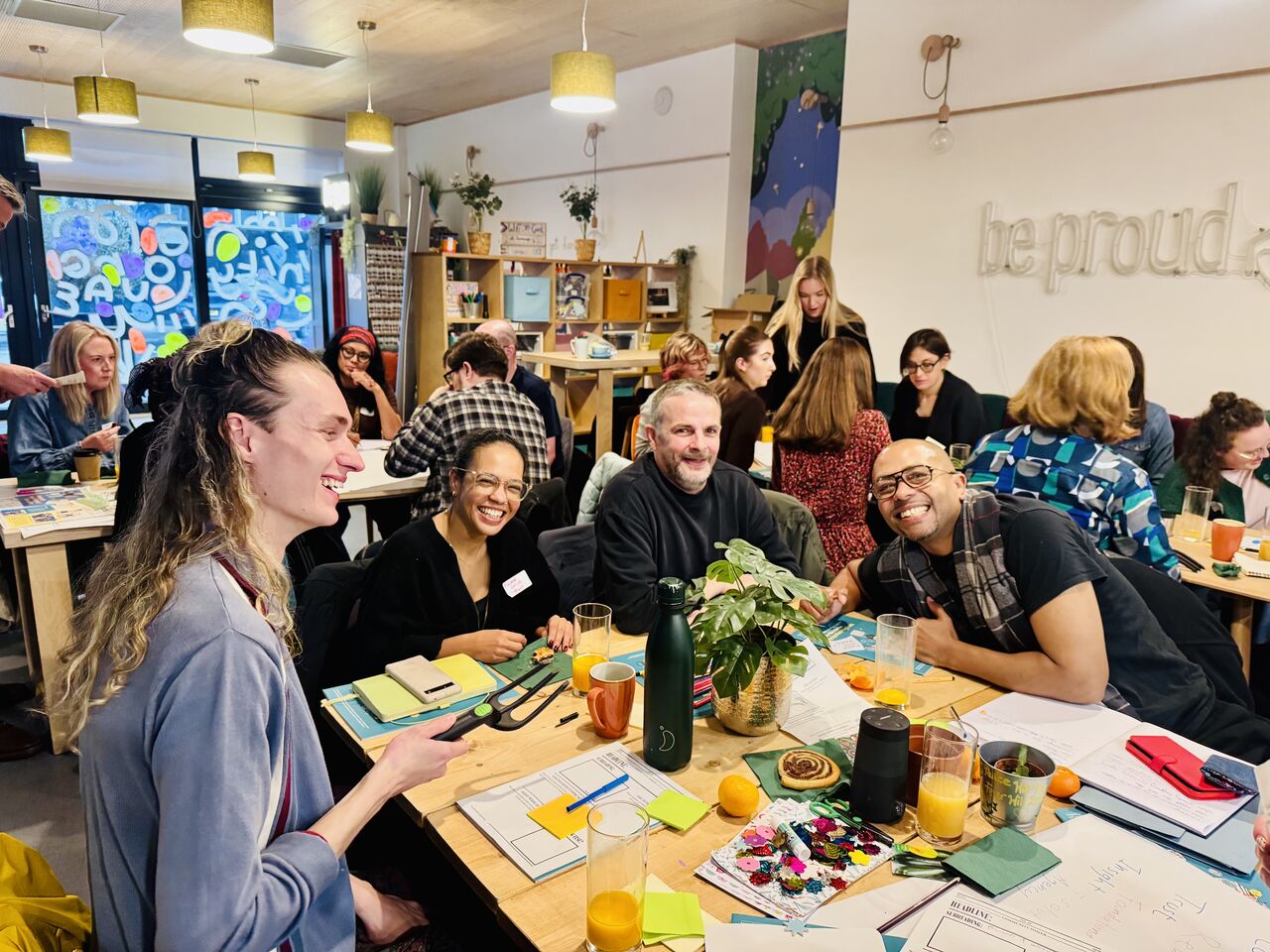
Stories that shift power: Growing community reporting in Greater Manchester
We brought community groups, researchers and public sector partners together to explore how community reporting can flourish across Greater Manchester.
In this blog, Emma shares what we heard, what could help it grow, and why telling our own stories matters for shifting power closer to communities.
What’s next
The Live Well Communities Fund is coming back for year 2! We’ll share more information when we can.
Connect with this work
Emma Ansell-Meehan
Strategic Lead (Population Health)
George McConnachie
Projects and Partnerships Manager
Find out more about Live Well

Live Well
We’re working with VCSE and public sector colleagues to shape and co-design Live Well, and lobbying to ensure communities have the resources they need to scale up to provide this support. We are also working with colleagues across the region to secure long-term resources, ensuring our sector is resilient and sustainable.
