Recovery Communities Project
Peer-led recovery communities are powerful, life-changing spaces set up and run by people with lived experience of addiction. They offer vital support, but many struggle for funding and recognition.
Funded by Changing Futures in partnership with Gaddum and 10GM, this project gathers evidence to show the value of peer-led recovery communities in Greater Manchester. Our aim is to convince commissioners and funders that these groups deserve long-term investment.
Why It Matters
Peer-led recovery communities align with national and local priorities, including:
- Changing Futures
- Live Well
- Violence Reduction Unit
- The Dame Carol Black Review
They help reduce pressure on services like A&E, housing, and criminal justice, while improving wellbeing, connectedness, and community resilience.
Our Approach
We’re collecting stories from:
- Group members – How have recovery communities helped them?
- Organisations – What could they achieve with funding?
- Commissioners – What makes them take notice?
Methods include surveys, interviews, case studies, and creative approaches such as PhotoVoice. The goal is to gather enough evidence—without overwhelming data—by focusing on meaningful experiences.
What We’ll Learn
We’ll explore key benefits including:
- Opportunities for personal growth and employment
- Improved wellbeing and life satisfaction
- Greater social connections
- Safer, more supportive communities
- Reduced use of emergency services
Our Commitment
This is a co-produced, ethical project with lived experience at its core. All data will be collected safely, securely, and anonymously.
How can I get involved?

Take part in the survey
Help us to raise support and awareness of the value of peer-led recovery groups!
Being part of a peer-led recovery group means members, facilitators, volunteers and founders in the group have all experienced addiction and have expertise gained from that.
Completing this survey increases the voices and views of people who have first-hand experience of peer-led recovery groups. Your views remain anonymous.
Please take part by 12 August 2025.
Contact us
To connect to this work, get in touch with Dr Susanne Martikke, Research and Insight Manager at 10GM.
Find out more about our research work
Unpaid Caregiving in the Sandwich Generation
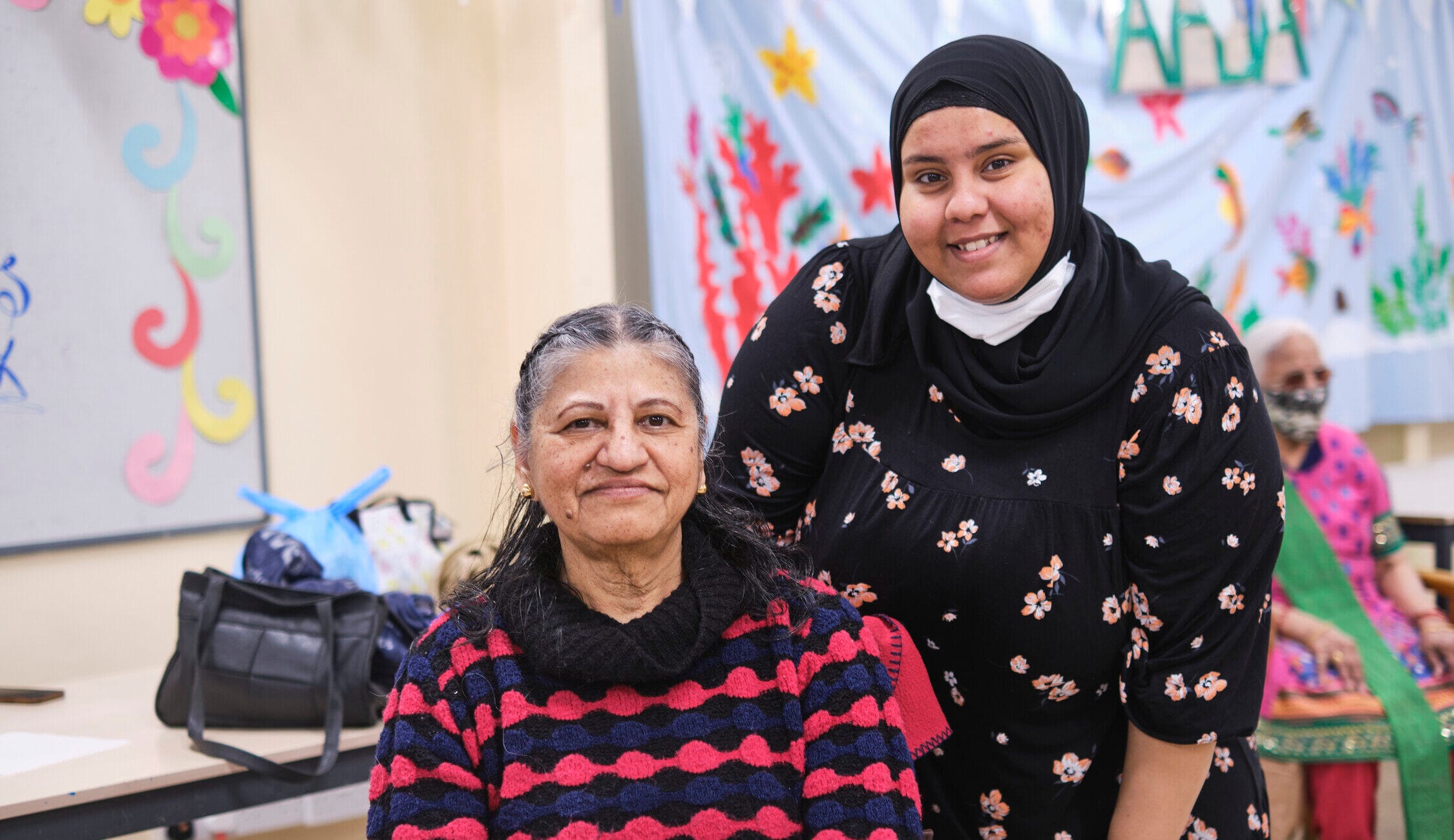
People with caring responsibilities for both older and younger family members, often called the ‘sandwich generation’, carry much of the brunt of unpaid caring. This joint project aims to contribute important knowledge about their experiences, unlock additional caring capacity for the NHS, and future support for these under-recognised carers and their communities.
